
Cultural views on gambling How perception shapes the game
Cultural views on gambling How perception shapes the game
The Historical Context of Gambling
Gambling has been a part of human civilization for centuries, deeply embedded in various cultures. Its historical significance reflects societal norms, economic conditions, and ethical considerations of different eras. In ancient societies, games of chance often served as rituals or were used to settle disputes. As civilizations evolved, so did the ways in which gambling was perceived, often being viewed as both entertainment and a potential vice. With the availability of best bitcoin betting sites, betting methods have further diversified, making the experience more thrilling.
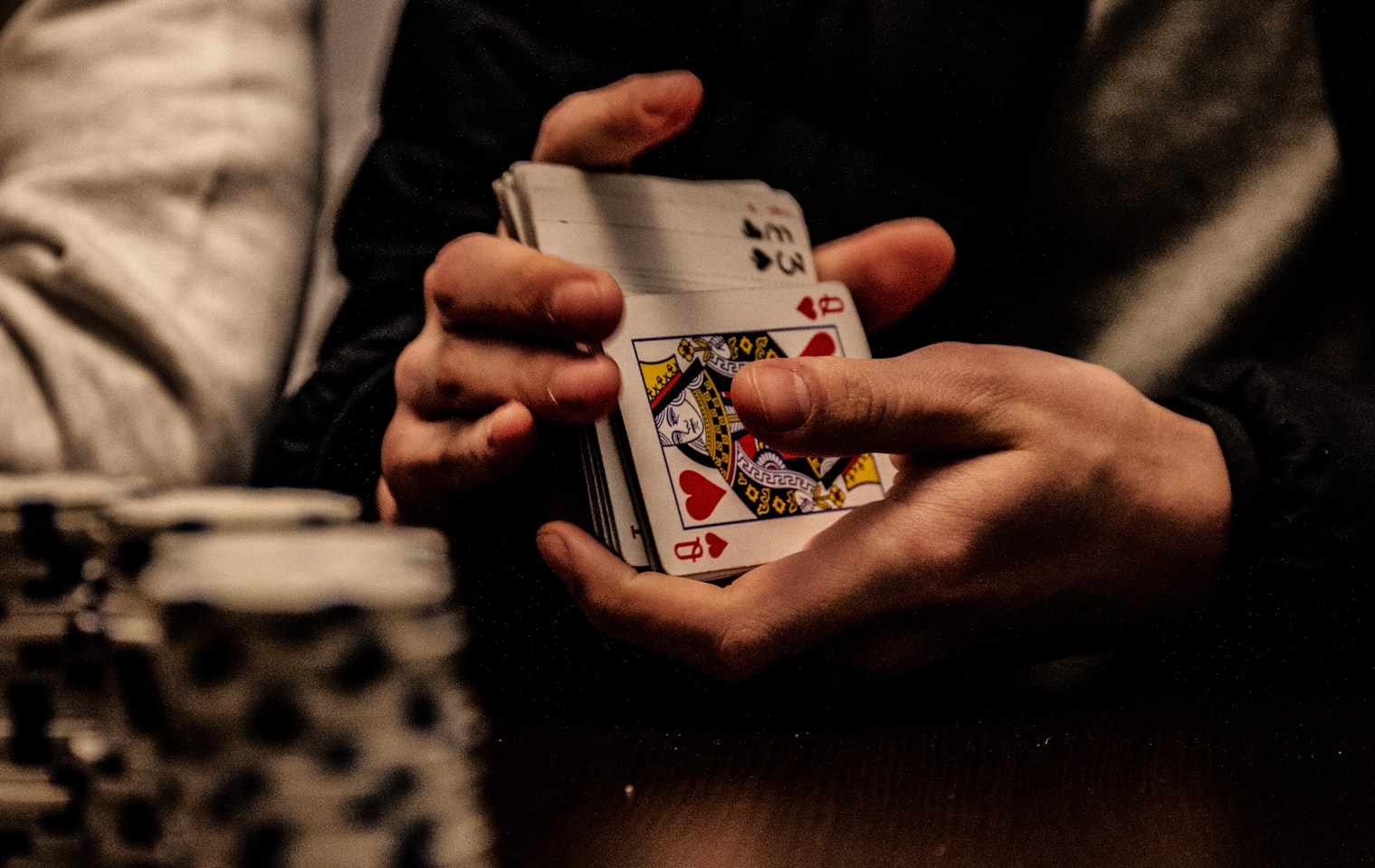
Throughout history, gambling has been associated with both fortune and misfortune. In some cultures, it is celebrated as a means of social bonding, while in others, it is frowned upon or even banned. The duality of gambling’s perception often leads to differing laws and regulations, influencing how it is integrated into the fabric of society.
Cultural Attitudes Towards Gambling
Cultural attitudes towards gambling vary significantly across the globe, often influenced by religious beliefs and local customs. In places like Las Vegas, gambling is celebrated as a glamorous and thrilling activity, a form of entertainment that attracts millions of visitors. Conversely, in more conservative societies, gambling can be viewed as morally questionable, leading to stigma and legal restrictions.
The perspective of gambling as a vice often stems from its association with addiction and financial ruin. Many cultures emphasize the potential dangers of gambling, warning against the consequences of excessive risk-taking. Such negative perceptions can contribute to a lack of understanding about responsible gambling practices, leading to an increase in societal issues related to gambling addiction.
The Role of Media in Shaping Perceptions
Media representation plays a crucial role in shaping societal views on gambling. Movies, television shows, and advertisements often depict gambling in a glamorous light, highlighting the excitement and thrill associated with high-stakes bets. This portrayal can glamorize gambling, encouraging audiences to view it as a quick path to wealth and success.
However, media can also reflect the darker sides of gambling, portraying the struggles of addiction and the consequences of reckless behavior. This duality can lead to mixed perceptions, with individuals caught between the allure of gambling and the potential pitfalls. Understanding this influence is essential for fostering a balanced view of gambling in popular culture.
Modern Perspectives and Evolving Regulations
In recent years, the rise of online gambling has transformed the landscape of gaming. With the advent of technology, gambling has become more accessible, attracting a younger audience. This shift has prompted many cultures to reevaluate their stance on gambling, often leading to more progressive regulations that reflect changing attitudes.
Additionally, the incorporation of responsible gambling initiatives into modern practices aims to educate players about the risks and encourage moderation. This evolving perspective reflects a growing understanding of gambling as a form of entertainment rather than merely a source of vice, suggesting that cultural views may continue to evolve alongside societal changes.

Conclusion: The Importance of Understanding Cultural Views
Understanding the cultural views on gambling is essential for fostering a healthier relationship with the activity. As perceptions evolve, individuals and communities can benefit from engaging in open discussions about gambling and its implications. This understanding can lead to more informed decisions, better regulation, and ultimately a safer gambling environment.
As more platforms emerge to facilitate gambling in various forms, it is crucial to prioritize education and awareness. By promoting responsible gambling practices, societies can work towards destigmatizing the activity while ensuring that it remains a form of entertainment rather than a source of harm.